Let’s be honest. Most crypto projects sound exciting at first, but when you look closer, they don’t really solve a clear problem. Plasma stood out to me because it focuses on something very simple and very real: moving stablecoins easily.
Today, stablecoins like USDT are used by millions of people for payments, savings, and transfers. But even now, sending them can be slow or expensive, especially when networks get busy. Plasma is built specifically to fix this. Instead of trying to support every possible use case, it focuses on stablecoins first and builds everything around that goal.
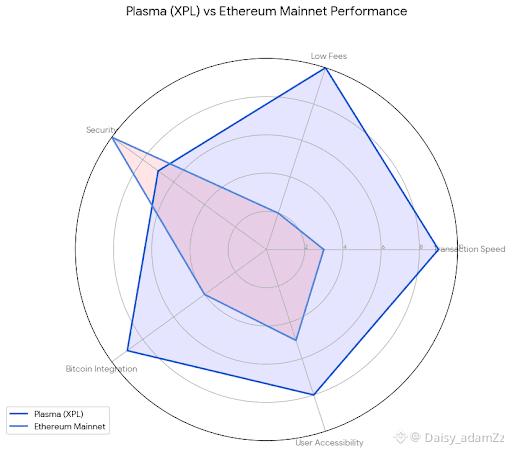
Plasma is not just another temporary solution or small add-on. It is designed as its own blockchain with its own system for confirming transactions. The idea is to make transfers instant and cost close to zero, which matters a lot if you are sending money often or across borders. This kind of focus is rare in crypto, where many chains try to do too much at once.
Another interesting part is how Plasma connects with other major networks. It integrates with Bitcoin and is designed to work alongside existing ecosystems rather than competing with them directly. This makes it feel more like infrastructure than a standalone experiment.
The team behind Plasma also gives some confidence. The project is led by Paul Faecks, who has spoken openly about both the risks and responsibilities of building financial systems. There is less talk about hype and price, and more about reliability, security, and long-term use. That mindset matters when the goal is handling real money.
On top of the blockchain itself, Plasma Finance aims to make DeFi easier to use. Instead of forcing users to jump between many apps, it tries to bring different financial tools into one place. For regular users, this kind of simplicity can make a big difference.
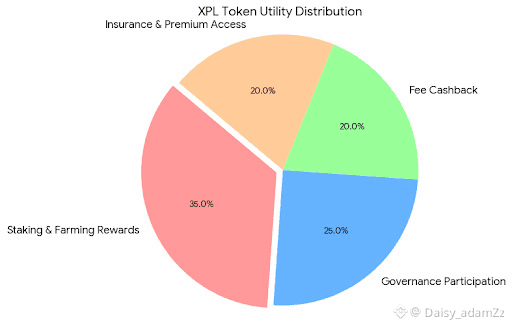
The XPL token plays a practical role in all of this. It is meant to be used for paying fees, taking part in governance, and unlocking extra benefits on the platform. Its value is tied to how much people actually use Plasma, not just speculation.
Of course, Plasma is not guaranteed to succeed. Crypto is risky, and adoption takes time. But the clear focus on stablecoins, payments, and usability gives it a stronger foundation than many projects that chase trends.
This is not financial advice. It’s just an honest perspective from someone in the community who believes Plasma is at least worth understanding before ignoring it.
If you have questions or a different view, feel free to share. Open discussion is how good projects get better.