As crypto grows up, the way people look at projects is changing. The loud stories don’t last as long anymore. Quick trends come and go. What’s starting to matter more are projects that build things other systems depend on.
Walrus Protocol is one of those projects.
It hasn’t relied on heavy marketing or constant attention. Instead, it has slowly found its way into conversations among people who care about fundamentals. That usually happens when a project is solving a real problem, not chasing attention.
For Walrus, that problem is data.
Why Data Matters More Than Most People Think
Every part of Web3 depends on data.
AI models need large amounts of information to learn and improve.
Apps rely on stored data to function properly.
Digital content needs a place where it won’t disappear.
For a long time, storage was treated as something in the background. But as systems become bigger, storage becomes a core piece of infrastructure. When storage fails, everything built on top of it feels unstable.
Walrus is built around one simple idea: data should stay available, even when parts of the system fail.
⸻
What Walrus Is Trying to Do
Walrus is a decentralized storage and data availability protocol. That sounds complex, but the goal is simple.
It allows data to be stored across a network in a way that keeps it accessible even if some nodes go offline. Instead of copying entire files everywhere, Walrus spreads data in pieces across the network. This helps reduce costs while keeping data reachable.
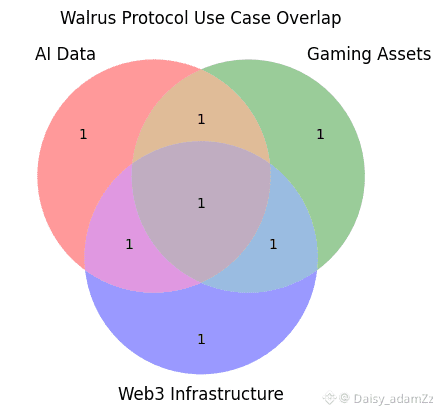
This approach makes Walrus useful for:
• AI data
• Game assets
• Digital media
• Web3 application data
These are all areas where losing access to data causes real problems.
⸻
WAL Token Has a Clear Purpose
The WAL token is directly tied to how the network is used.
Whenever data is stored on Walrus, WAL is needed. This creates a clear connection between activity on the network and demand for the token. As usage grows, token usage grows with it.
WAL is also used for:
• Staking
• Securing the network
• Taking part in governance
This means the token isn’t just sitting there waiting for attention. It’s part of how the system operates.
⸻
Built to Handle Problems, Not Ignore Them
Systems fail. Nodes go offline. Connections drop.
Walrus is designed with this reality in mind. Even if parts of the network stop working, the data remains accessible. The system continues to function.
That focus on resilience matters. It’s the difference between something that works only in perfect conditions and something that works in real life.
⸻
Why People Are Starting to Notice Walrus
More people are paying attention to Walrus because data needs are growing fast.
AI keeps expanding.
Apps store more information than ever.
Web3 systems are becoming more complex.
Infrastructure projects usually don’t move first. They move when usage starts to grow. Walrus is at the stage where people who focus on fundamentals are beginning to notice it.
Not because of hype, but because the need it addresses keeps getting bigger.
⸻
A Project That Grows Quietly
Walrus isn’t trying to be loud. It doesn’t promise to change everything overnight.
It’s focused on building something that works and keeps working. That kind of approach doesn’t attract instant attention, but it often lasts longer.
Projects like this tend to grow as more systems depend on them.
⸻
Final Thoughts
Walrus Protocol is a project focused on one thing: making sure data stays available and usable.
It’s not a trend.
It’s not a meme.
It’s infrastructure.
As Web3 and AI continue to grow, reliable data storage becomes more important. Walrus is building quietly in that direction.
Sometimes the most important projects aren’t the ones making the most noise — they’re the ones doing the work in the background.

That’s why Walrus is worth paying attention to.