The way most blockchains treat storage is simple and limited. Data lives somewhere else, and the chain just points to it. Hashes on-chain, files off-chain, and a server in the middle quietly deciding who can see what and when. Walrus starts from a different assumption. What if stored data were not just a file, but a living object that smart contracts could own, control, and change over time? Built natively around the object model of Sui, Walrus reframes storage as something programmable. Every stored blob is connected to an on-chain object. That object can be referenced by contracts, governed by rules, and modified through normal blockchain transactions. Storage is no longer a passive layer. It becomes part of application logic itself. This shift may sound subtle, but it changes how decentralized applications are designed. Instead of relying on backend servers to manage permissions, lifecycles, or business rules, developers can express those rules directly on-chain and have storage obey them automatically.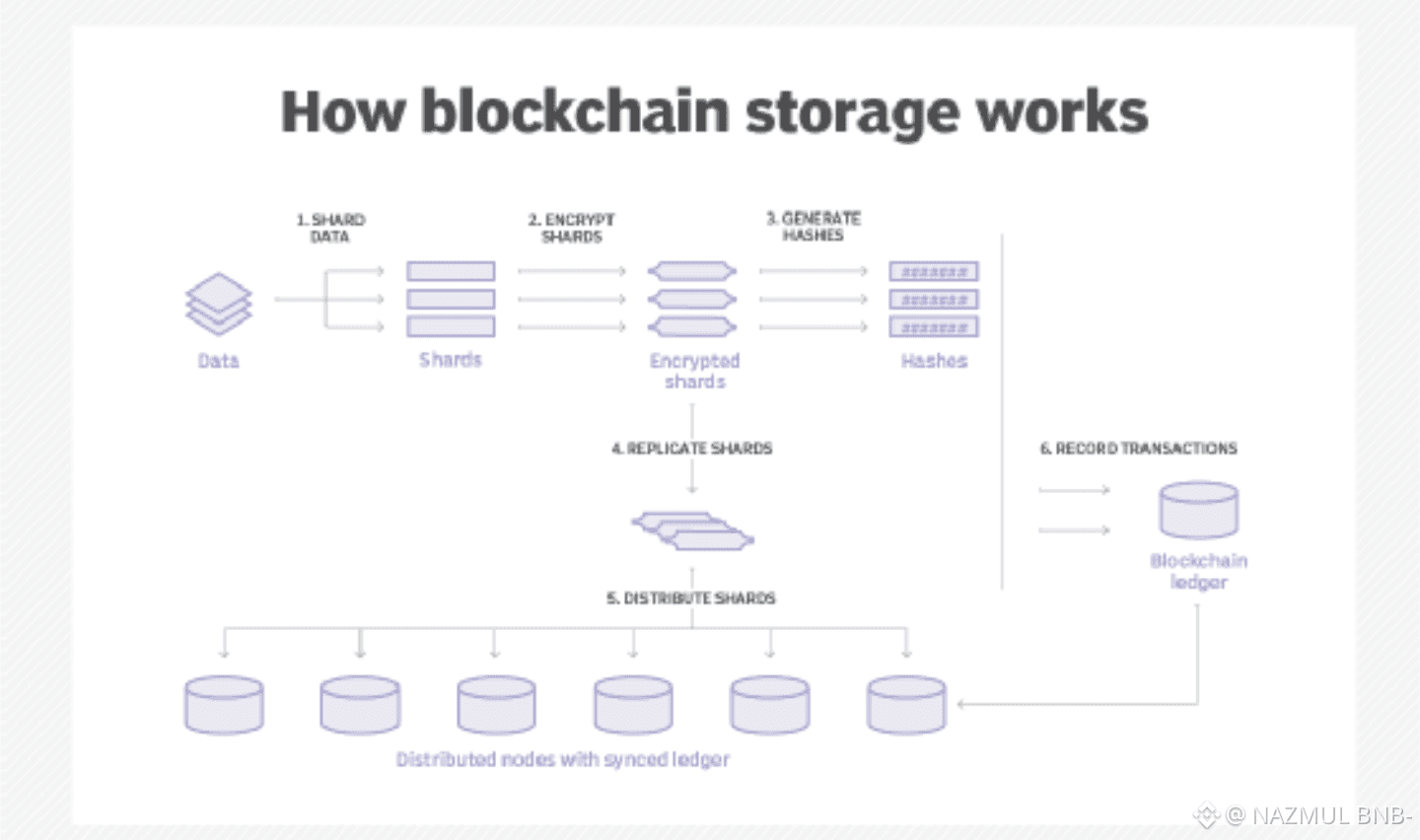
To understand why this matters, it helps to look at how things usually work. A typical Web3 app stores large files somewhere like IPFS or a cloud service. The blockchain only knows a reference. If you want to limit access to subscribers, expire files after a month, or transfer ownership, that logic often lives off-chain. Someone has to run servers. Someone has to enforce the rules. Walrus removes that dependency by tightly coupling storage with smart contracts. In Walrus, a contract written in Move can create a blob, update it, restrict access to it, or even delete it as part of normal on-chain interactions. For example, a membership token can act as a key. If you hold it, you can access certain files. If you sell it, access changes automatically. If the token expires, so does your access. No admin panel. No backend scripts. Just rules enforced by the chain itself. This makes storage behavior predictable and transparent, which is often missing in hybrid systems that quietly fall back to centralized control.
This design also opens up new patterns that feel more native to crypto than traditional storage systems. Because blobs are tied to on-chain objects, they can behave like assets. Ownership can be transferred. Access rights can be leased. Storage space can be rented out or structured to generate revenue under predefined rules. Think of a dataset that pays its maintainers when others use it, or content that distributes fees automatically to creators when accessed. These ideas are not entirely new, but Walrus makes them easier to express without stitching together multiple systems. Storage and logic live in the same place. That alignment is especially relevant for applications that need strong guarantees around data history and state, such as AI agents, collaborative tools, or on-chain media. When the data, its permissions, and its evolution are all governed by the same execution environment, developers gain a cleaner mental model and users gain clearer trust boundaries.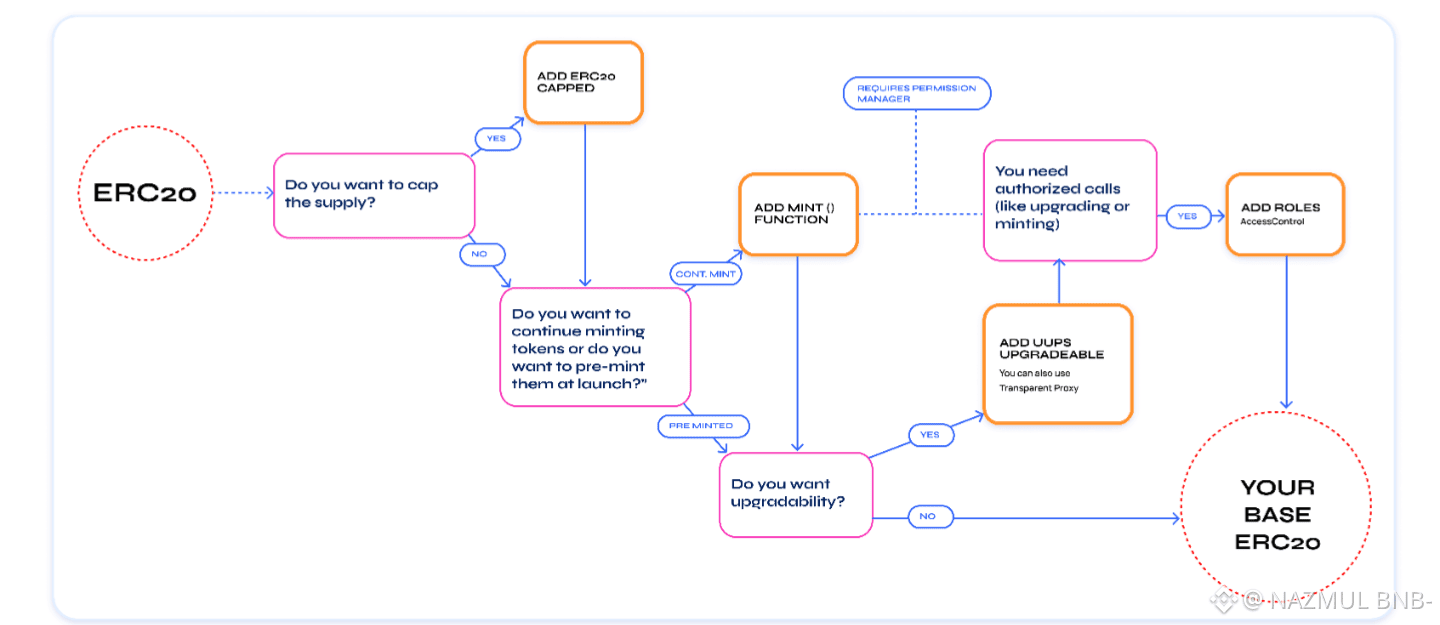
Of course, programmability comes with tradeoffs. Making storage objects visible and controllable on-chain means more transactions and more state to manage. That can increase costs and introduce latency compared to purely off-chain systems. Walrus does not remove the need to think carefully about what belongs on-chain and what does not. Instead, it gives teams the option to move critical control logic on-chain when the benefits outweigh the overhead. This is an important distinction. Walrus is not trying to be the cheapest place to dump files. It is designed for cases where behavior matters more than raw storage price. Applications that only need static hosting may find simpler tools sufficient. But for teams building full-stack decentralized apps that want to minimize hidden trust in servers, the tradeoff can make sense. The key is intentional use, not blanket adoption.
Stepping back, Walrus fits into a broader trend in crypto infrastructure. As blockchains mature, the line between computation, state, and storage is starting to blur. Developers are no longer satisfied with chains that only settle transactions while everything else happens elsewhere. They want systems where data lives under the same rules as value and logic. By making storage programmable through Sui’s object model and Move contracts, Walrus pushes in that direction. It does not promise to replace every storage solution, and it does not need to. Its real contribution is showing that storage can be more than a silent dependency. It can be a first-class participant in decentralized applications. When data follows rules instead of servers, developers gain flexibility, and users gain clearer guarantees. That is a quiet shift, but one with long-term implications for how decentralized systems are built.