Crypto loves big promises. Faster chains. Cheaper fees. “Revolutionary” ideas that sound great on paper but struggle in the real world. Dusk Network takes a quieter, more grounded approach. It doesn’t ask what sounds exciting. It asks what finance truly needs to work.
In real life, money isn’t public by default. Companies don’t want their contracts visible to competitors. Banks can’t expose client data. Investors don’t want every position broadcast on-chain. Yet most blockchains force exactly that kind of exposure. DUSK starts with a simple belief: privacy isn’t optional—it’s necessary.
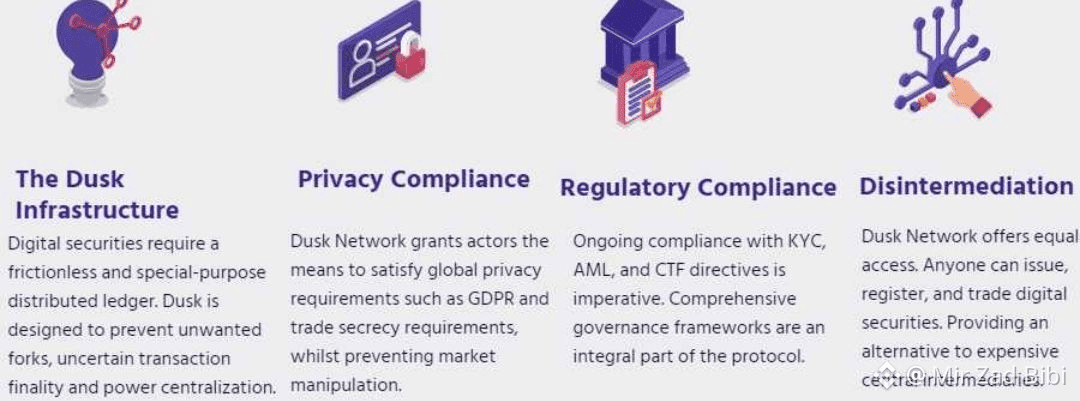
What makes DUSK different is that its privacy isn’t about avoiding rules. It’s about respecting them. Transactions stay confidential, but the network can still verify that everything is valid and compliant. This is the kind of privacy institutions need before they can take blockchain seriously.
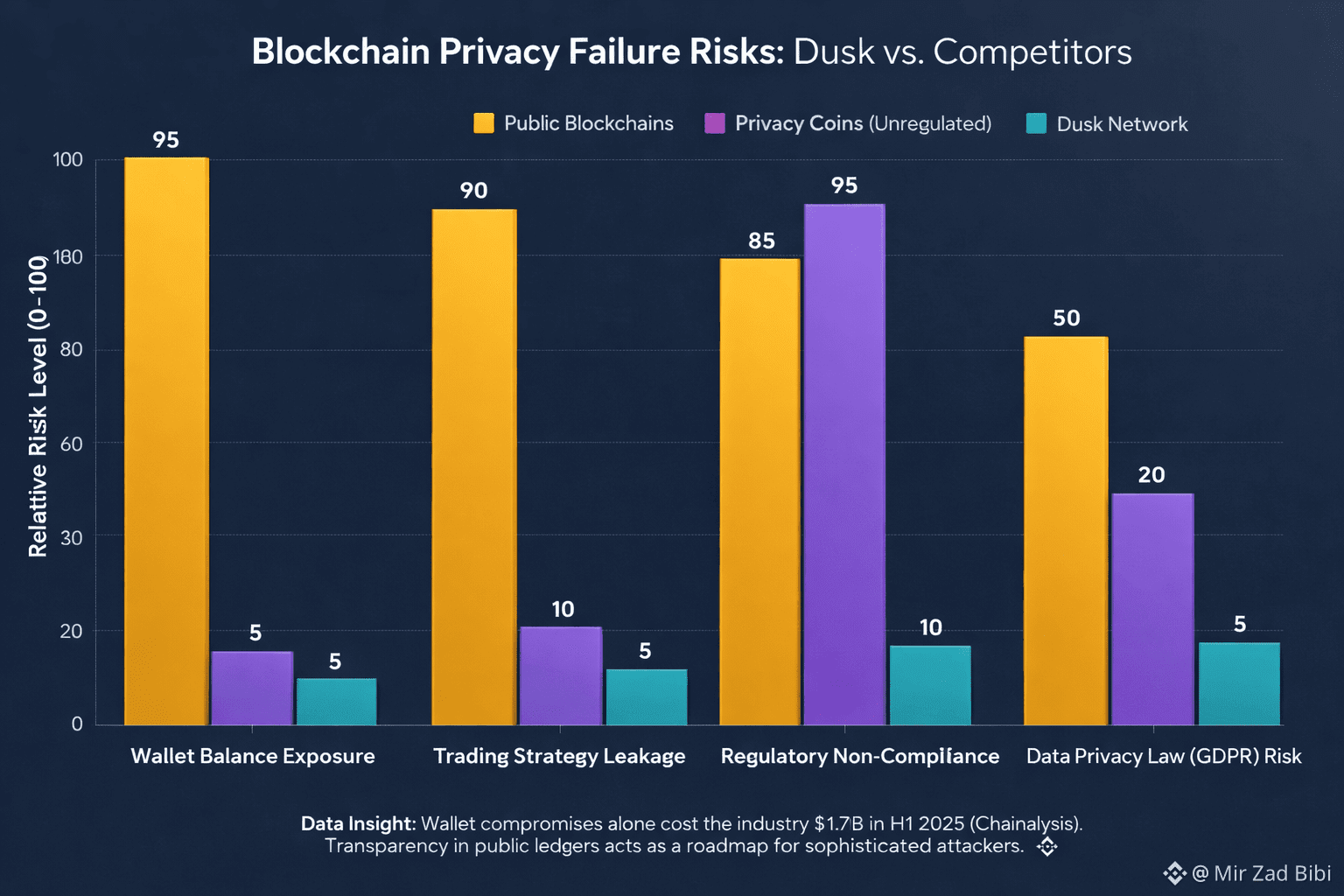
Smart contracts follow the same philosophy. On many networks, smart contracts work—but at the cost of exposing sensitive details. DUSK allows smart contracts to automate financial actions quietly in the background. Settlements happen. Assets move. Agreements execute. And private data stays private. That’s how finance already works off-chain—and DUSK brings that logic on-chain.
This becomes especially important for tokenized securities. Turning real-world assets into blockchain tokens sounds futuristic, but it only works if legal and privacy requirements are met. DUSK gives businesses the tools to issue and manage tokenized shares, bonds, or funds without sacrificing confidentiality. Ownership is clear. Settlement is faster. Middlemen are reduced. Nothing unnecessary is exposed.
Behind the scenes, the network runs on Proof of Stake. Instead of burning energy, DUSK relies on participants who commit their tokens to secure the chain. Validators have something to lose if they act dishonestly, which naturally encourages good behavior. It’s efficient, sustainable, and aligned with long-term thinking.
DUSK also fits into DeFi—but in a way that feels more mature. Rather than chasing risky experiments, it supports decentralized finance that can realistically connect with regulated capital. Staking, liquidity, and trading exist within a framework that understands compliance isn’t going away. This opens the door to a broader class of users than typical DeFi attracts today.
Governance adds another human layer. DUSK holders aren’t just spectators—they help shape the network. Decisions about upgrades and direction come from the community, not a single team. Over time, this creates trust, alignment, and a sense of shared ownership.
What really stands out about DUSK is consistency. Every design choice points in the same direction. Privacy with purpose. Compliance without compromise. Automation without exposure. There’s no confusion about what it’s trying to be.
As crypto grows up, the projects that matter won’t be the loudest ones. They’ll be the ones that fit naturally into the real world. DUSK feels like it’s building for that future—where blockchain doesn’t fight existing systems, but quietly makes them better.
Sometimes progress isn’t loud.
Sometimes it’s just well thought out.