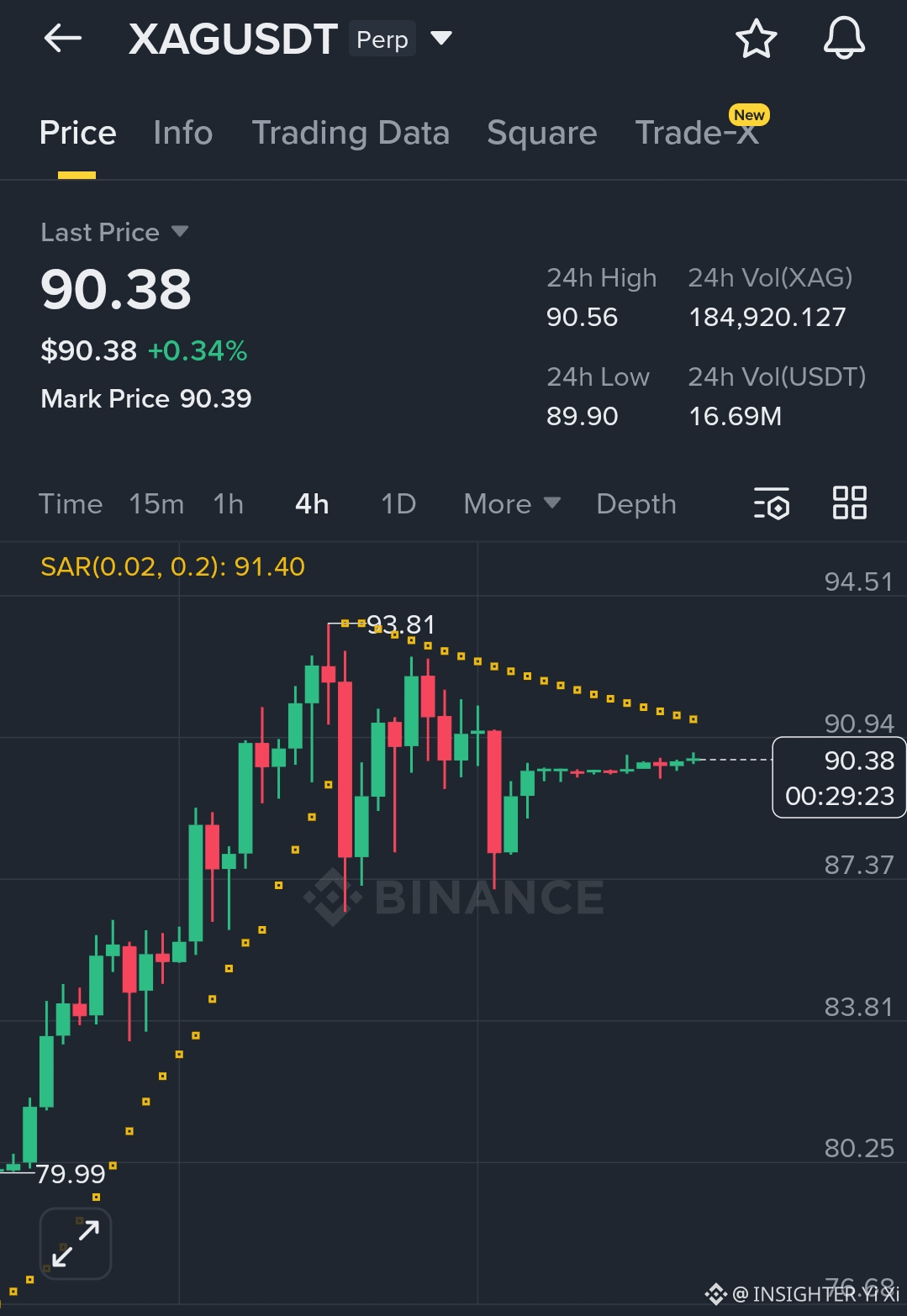
Most investors watch gold and silver prices separately. Fewer people pay attention to the relationship between them. That relationship, known as the gold-to-silver ratio, is now sending a message that deserves attention.
The ratio simply shows how many ounces of silver are needed to buy one ounce of gold. When the number falls, it means silver is gaining strength faster than gold. Right now, that is exactly what is happening.
This shift is not random.
What Usually Happens in Precious Metals Cycles
In times of uncertainty, gold is usually the first asset investors move toward. It represents safety, stability and capital protection. Silver, on the other hand, tends to move later because it is more volatile and more sensitive to economic activity.
As conditions improve and confidence slowly returns, silver often begins to outperform. This phase is when the gold-to-silver ratio starts declining. Historically, this has happened during stronger and more mature precious metals cycles, not during weak or defensive periods.
In simple terms, falling ratios often mean investors are becoming more confident, not more fearful.
Why Silver Starts to Catch Up
Silver is different from gold in one important way. It is not just a store of value. It is also an industrial metal. Silver is widely used in electronics, solar panels, medical equipment, and modern technology.
When economic expectations improve, silver benefits from both sides. It gains from inflation concerns like gold, while also gaining from industrial and technological demand. This dual role is why silver often accelerates faster once momentum builds.
A falling ratio reflects this shift in demand.
What the Ratio Says About Valuation
When the gold-to-silver ratio is very high, it often suggests silver is cheap relative to gold. As the ratio falls, that pricing gap begins to close. This does not mean gold is weak. It usually means capital is rotating within the precious metals space rather than leaving it.
Investors are not abandoning safety. They are expanding exposure toward higher-upside assets.
This distinction matters.
What Investors Should Take From This
A sustained decline in the gold-to-silver ratio often signals a healthier metals market, not a speculative one. It shows broader participation, improving sentiment, and growing demand beyond pure fear-based buying.
Gold still plays a critical role as a long-term hedge and store of value. Silver, however, tends to outperform during phases when liquidity improves and growth expectations rise. That outperformance comes with higher volatility, but also with greater return potential.
The ratio does not predict exact prices. What it reveals is market behavior.
And right now, behavior suggests that precious metals are moving from protection toward participation.
#BTC100kNext? #MarketRebound #CPIWatch #WriteToEarnUpgrade #StrategyBTCPurchase